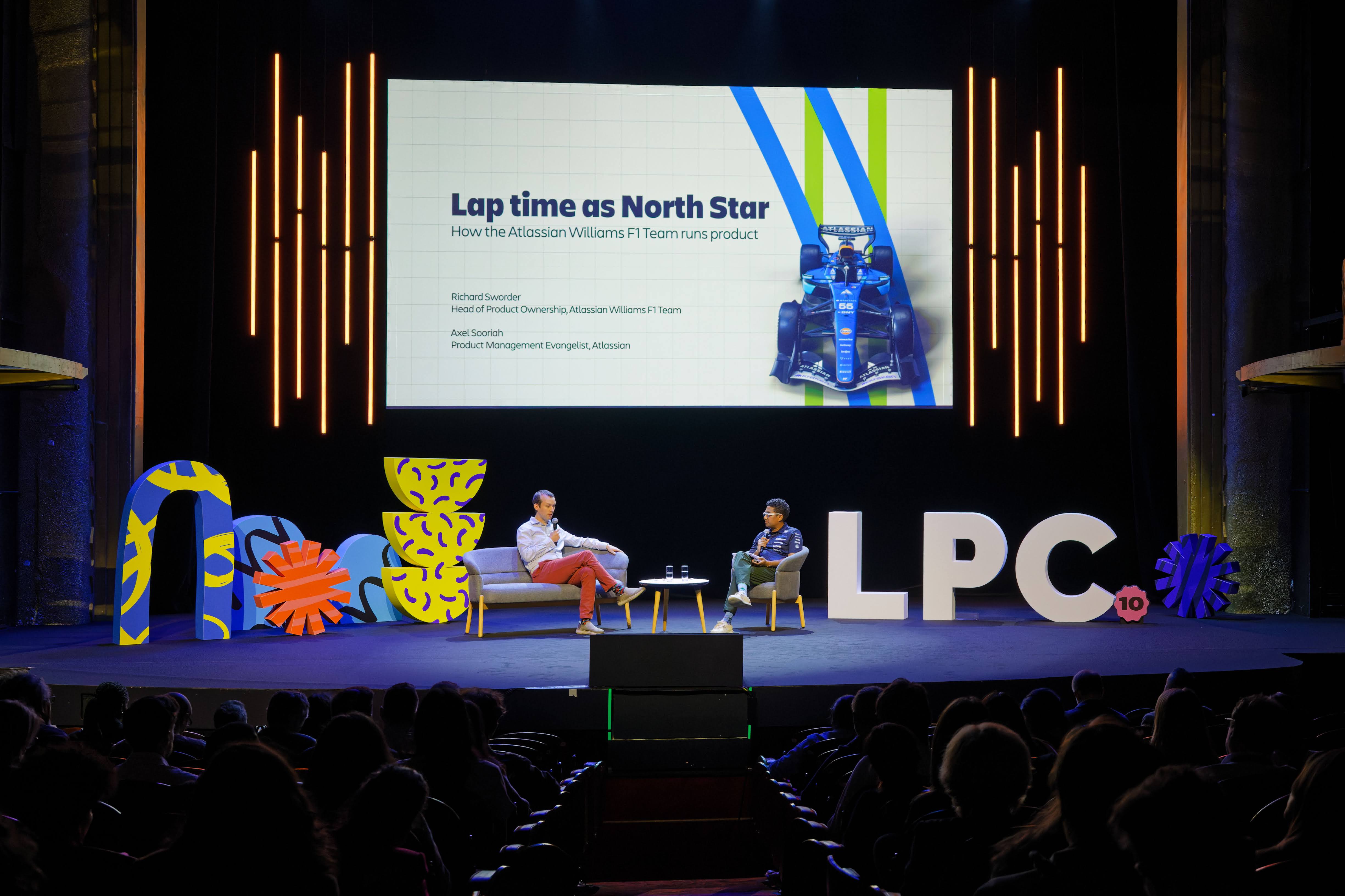
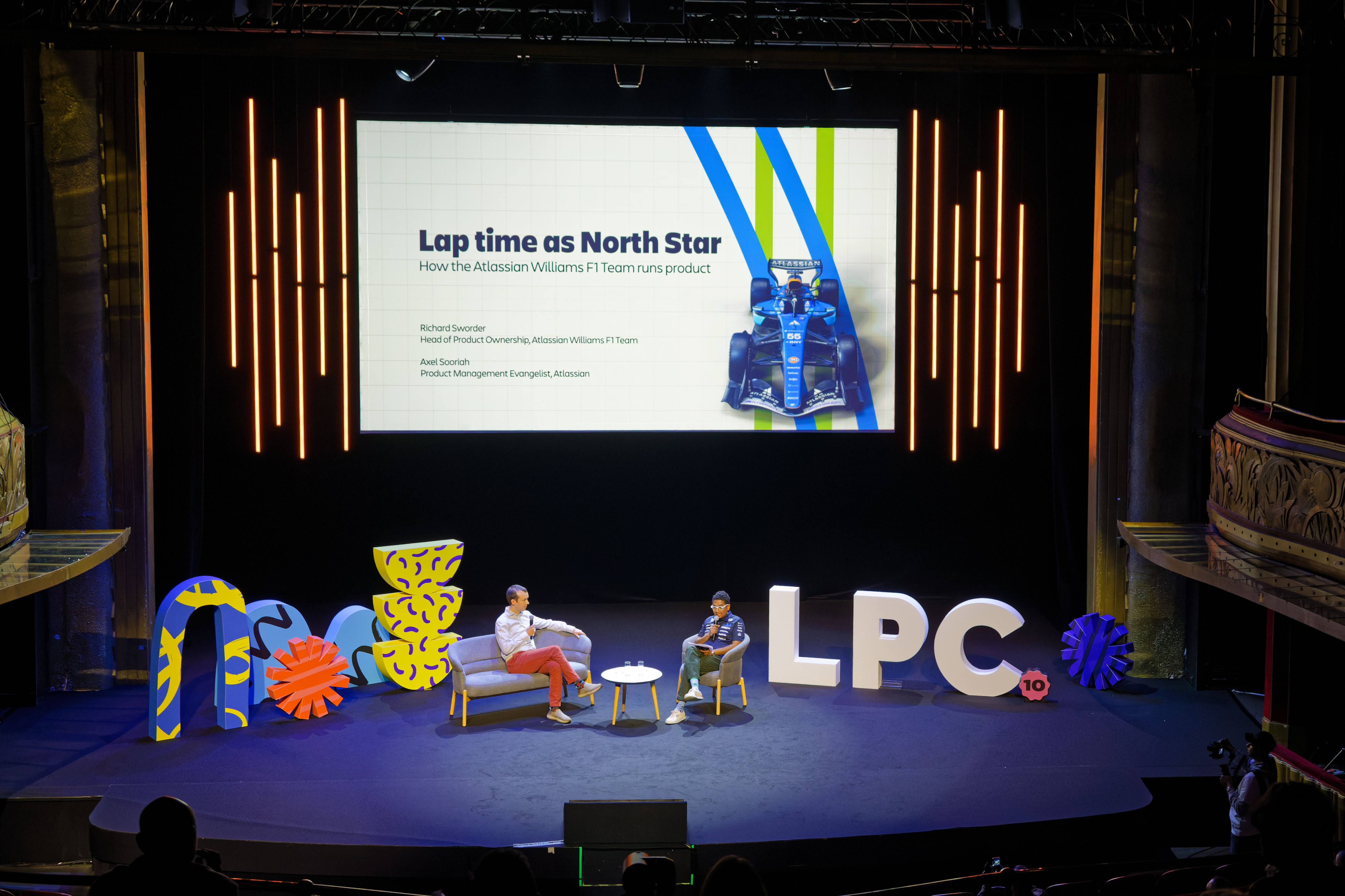
Lap time as North Star: how the Atlassian Williams F1 Team runs product
La Product Conf is France's largest product management conference. Now in its tenth year, LPC brings together 1,200+ product practitioners in Paris for a full day of talks, workshops, and conversations about the craft. It is the event on the French product calendar — and the one where Atlassian chose to bring the Williams F1 story to a product audience for the first time.
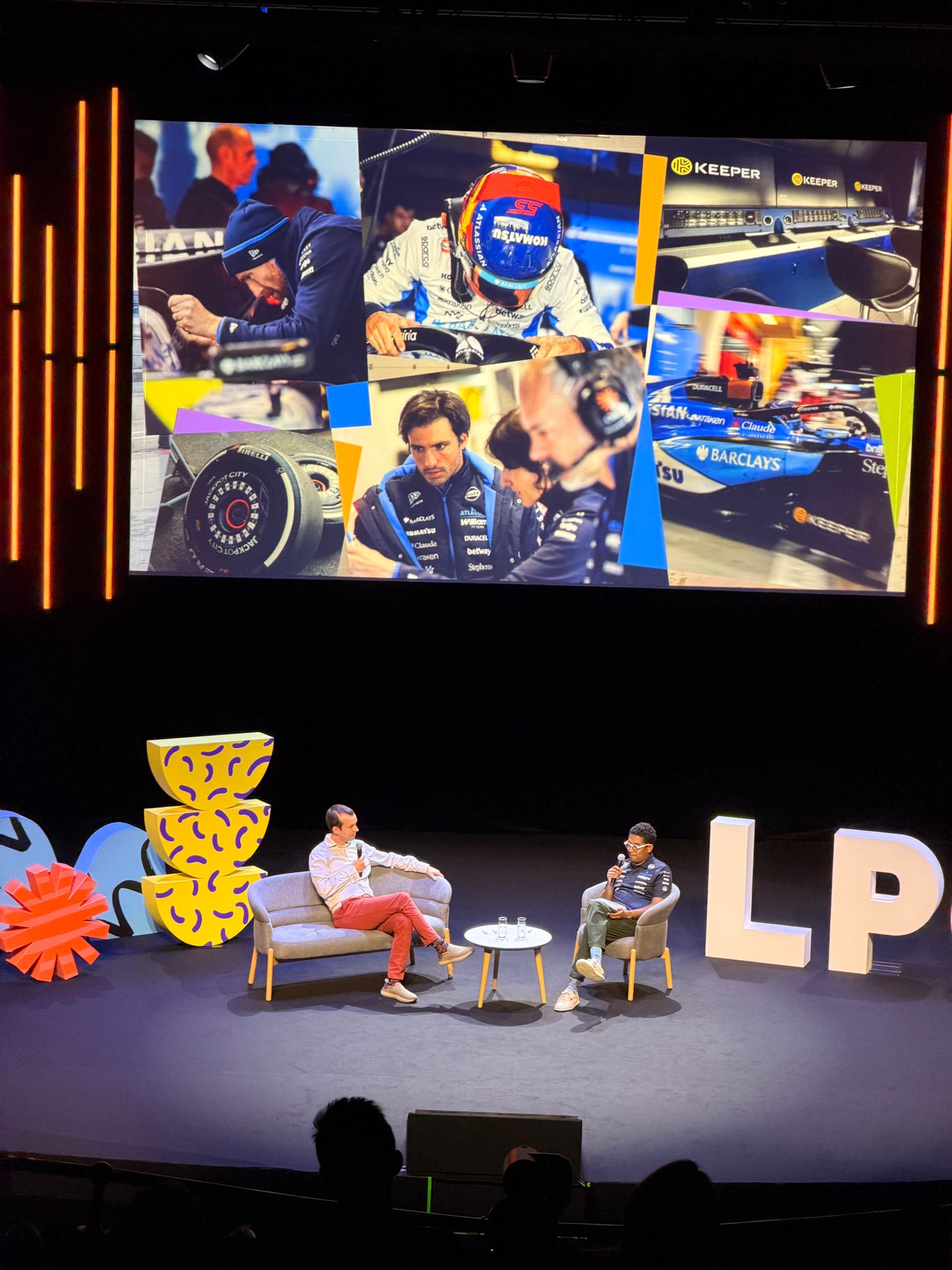
Atlassian has been the title technology partner of the Williams Racing F1 Team since 2023. The partnership is not just a logo on the car. Atlassian tools run the team's product operations: Jira for race-weekend work tracking, Confluence for technical knowledge, and Atlas for cross-functional alignment across the 1,200 people who contribute to putting two cars on the grid.
The talk centred on a deceptively simple question: what is your north star? For the Williams team, the answer is lap time. Everything — aerodynamics, strategy, software, pit crew choreography — is ultimately judged against whether it makes the car faster. That clarity cuts through ambiguity in a way most product organisations never achieve. When you have thirty disciplines and a two-hour race window, you cannot afford misalignment.
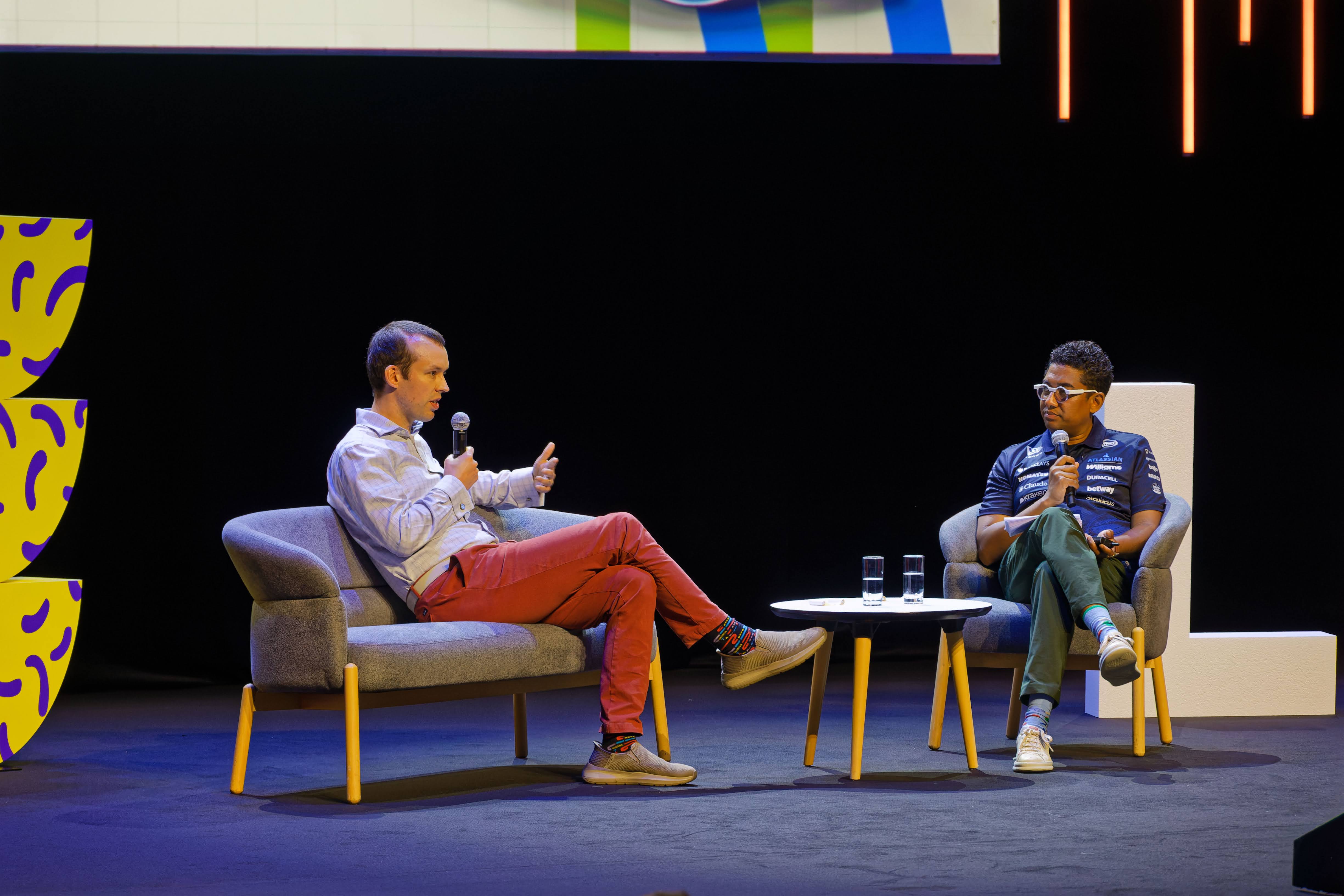
Richard Sworder, Head of Product Ownership at Williams, walked the audience through how the team applies product thinking at race-weekend pace: sprint cycles measured in minutes, decisions made on incomplete data, and a bias toward reversible actions when the stakes are highest. The parallels to software product development are direct — and the consequences of getting it wrong are rather more visible.
The session closed on a point that landed hard in a room full of product managers: most teams have a north star in name only. Lap time works because every person in the garage can answer, on any given Sunday, whether they moved it. If your team cannot say the same about their metric, that is where to start.